

A machine that makes books easier to produce also makes knowledge harder to monopolize.
A monopoly on knowledge is great for maintaining the status-quo, but a cultural resource set afraid to grow and change will eventually die..
In Acemoglu and Robinson’s Why Nations Fail, I was struck by their account of printing in the Ottoman Empire [even though their account has been challenged by some historians for lack of evidence on certain aspects, it is still a great story]
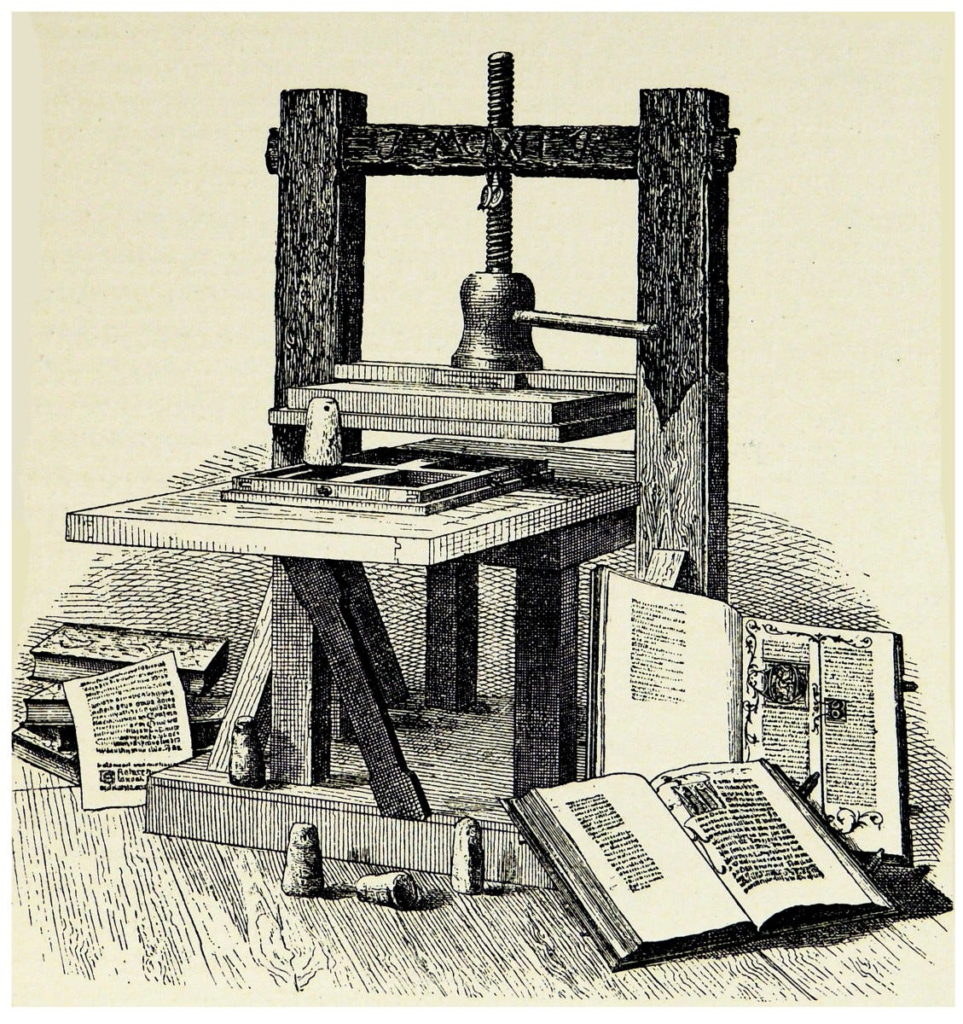
A few facts:
- Printing spread across Europe within decades. Gutenberg was printing in Mainz in the 1450s. By 1476, William Caxton had established a press in England. Books became quicker to produce and cheaper to buy, although access remained unequal. (Library of Congress; British Library)
- Two sultans allegedly prohibited it. Acemoglu and Robinson attribute a prohibition on Muslims printing in Arabic to Bayezid II in 1485, reinforced by Selim I in 1515. However, historian Kathryn Schwartz finds no surviving documentary confirmation of these decrees. Meanwhile, Jewish printers operated in Istanbul from 1493, and Christian presses also preceded Müteferrika. The familiar story of a blanket Ottoman printing ban is therefore too simple. (Law Library of Congress)
- Documented permission came in 1727. Sultan Ahmed III authorized İbrahim Müteferrika’s press to print Ottoman Turkish in Arabic script. Its first book appeared in 1729, almost three centuries after Gutenberg. Religious works were excluded from its permission. (Swanick; Cambridge University Library)
- Permission came with supervision. The decree reproduced in Why Nations Fail assigned three kadis—judges—and a sheikh to oversee proofreading. Its stated purpose was textual accuracy. One can imagine what such a required list of approvals entails, so:
- Output remained small: seventeen titles in roughly fourteen years, 1729–1743. These were titles printed in multiple copies, rather than seventeen individual books.
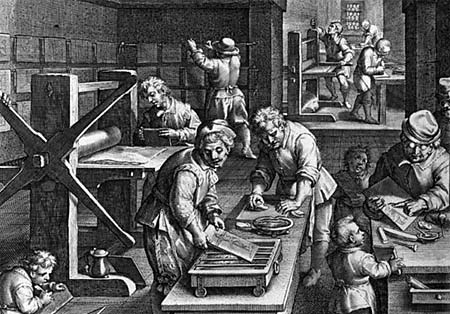
The literacy comparison is striking. Why Nations Fail gives these approximate figures for around 1800:
| Population described in the book | Estimated literacy |
|---|---|
| Ottoman Empire | 2–3% |
| Adult men in England | 60% |
| Adult women in England | 40% |
| Adults in Portugal | About 20% |
These are historical estimates with different population bases. Historian Donald Quataert gives the Ottoman 2–3% figure specifically for Muslims in the early nineteenth century. The comparison is suggestive, but it is not a precise census comparison or proof that printing restrictions alone caused the gap. (Quataert, p. 169)
A telling story is that in other places in the empire, things were much worse… the reported first printing press in egypt for example is around 1800, when someone with the Napoleon failed expedition brought it…
The illiteracy might not be a direct result, but the two are definitely correlated through a third / hidden / moderating variable.
The political insight remains powerful: a technology can benefit society while threatening the people who govern it. Coşgel, Miceli, and Rubin develop this explanation for Ottoman printing: wider access to knowledge could weaken the religious authorities who helped legitimate political rule. (Study)
Having most of the population illiterate by 1800s could explain a big chunk of the current political / economic situation in the middle east.
Empires have many weaknesses, and their incessant concentration of power is usually disastrous for great populations, even though providing some stability for people in a ‘lucky center’.

More :
https://www.historyonthenet.com/printing-press-appeared-middle-east-400-years-europe ; https://medium.com/@akbarzab2/how-the-failure-to-adopt-the-printing-press-gave-europeans-a-300-year-advantage-over-muslims-d506dc5d0d19