On Innovation, Investment, and Impact…
Innovation: The creation and successful application of something new that produces value. Technological novelty, spectacle, and innovation are not necessarily the same thing.
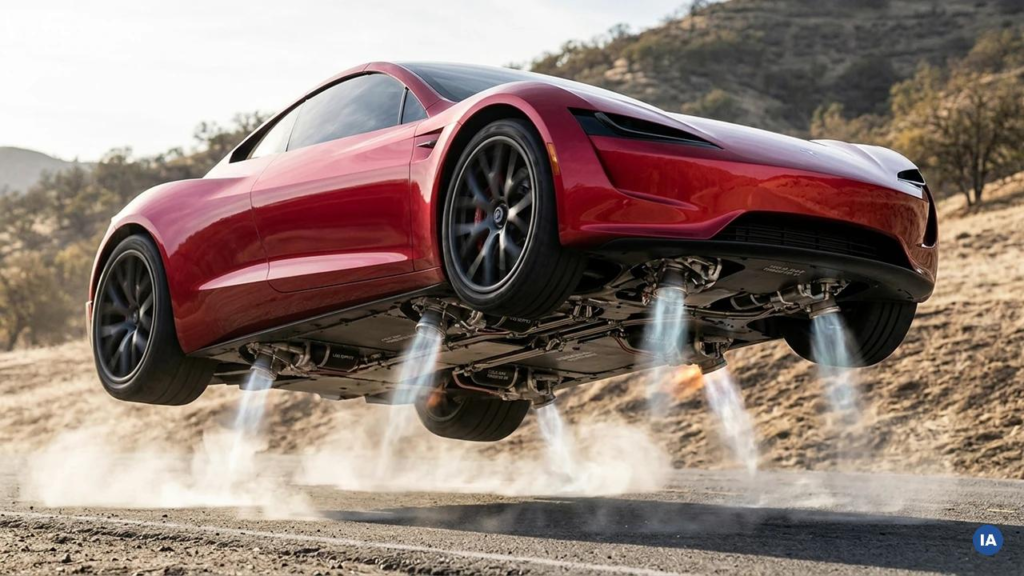
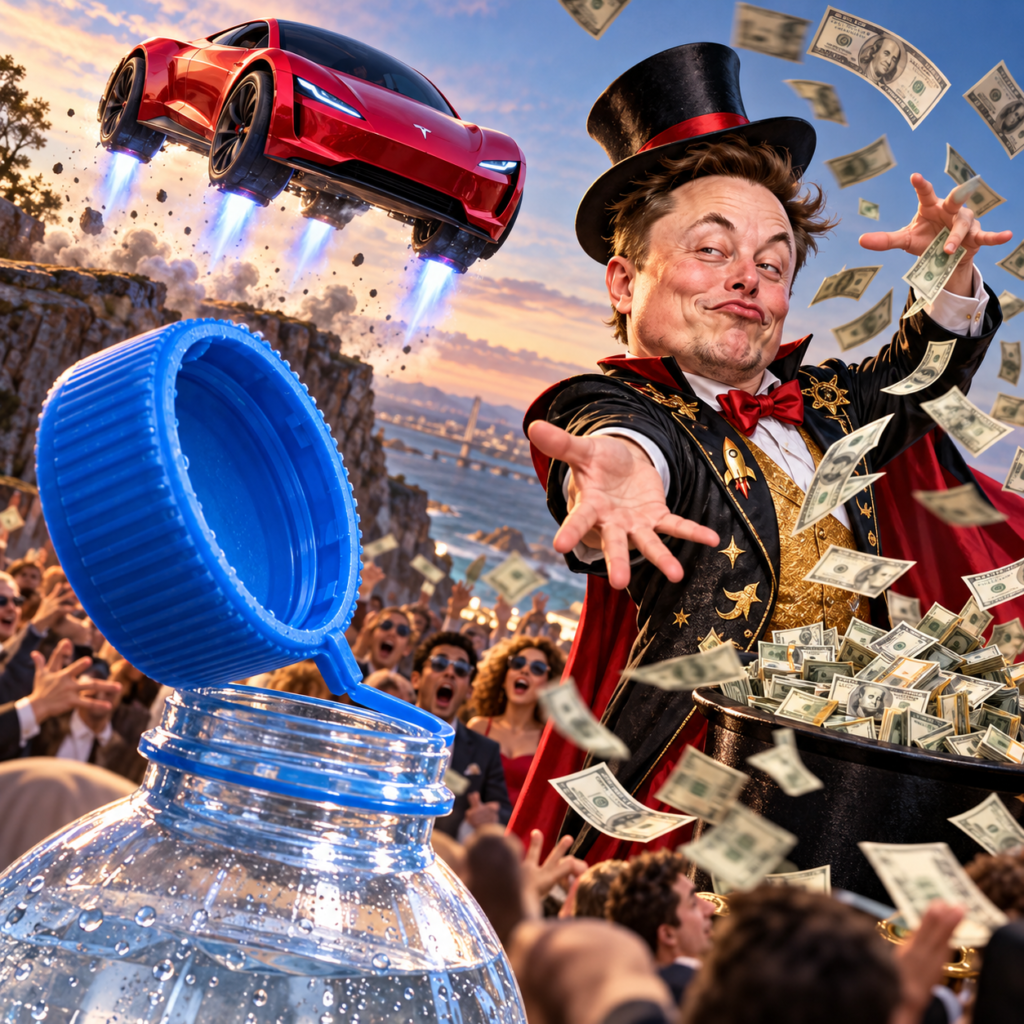
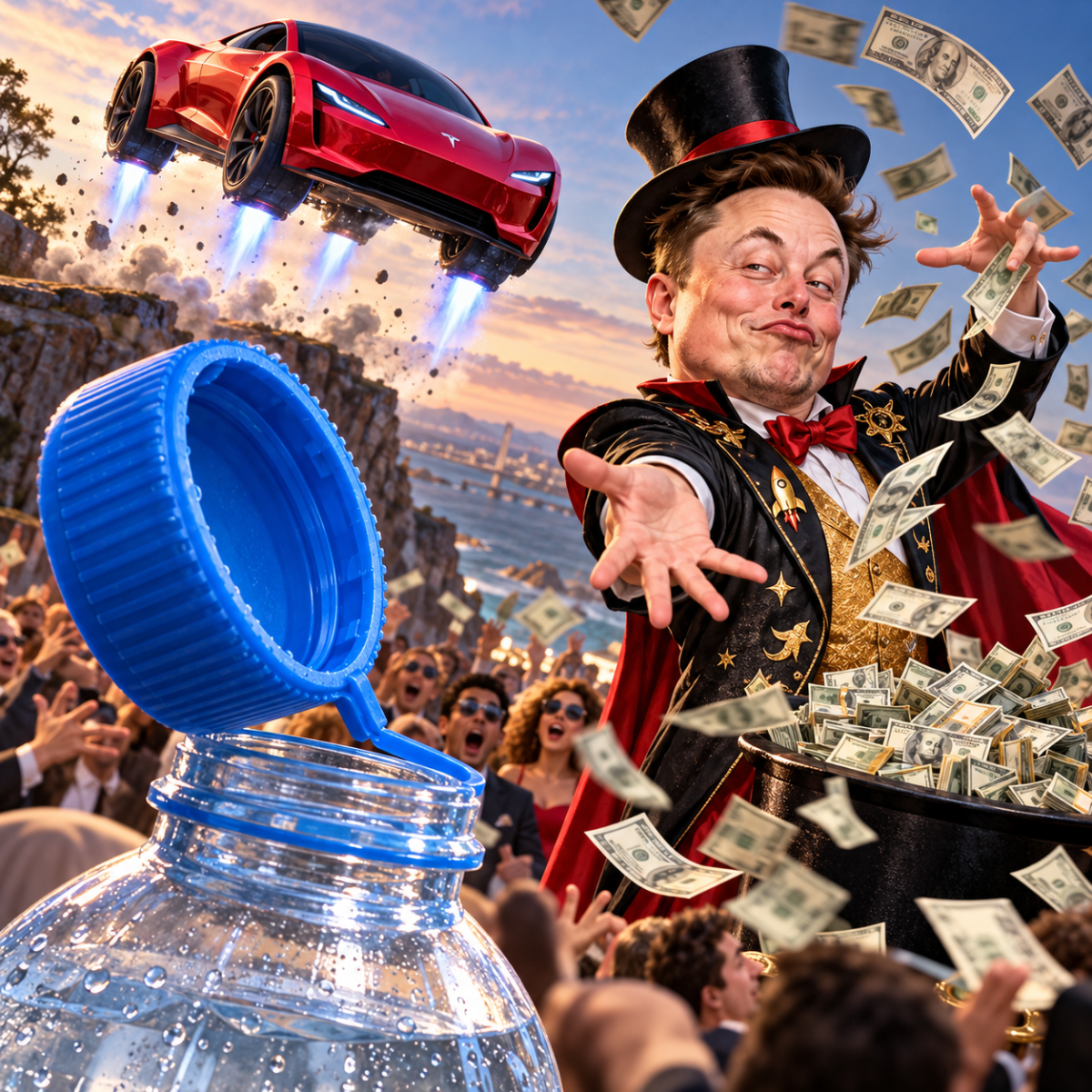
Elon Musk’s new Tesla Roadster took the headlines a couple of days back. It can leap into the air (for 2 seconds?) using cold-gas thrusters, with 250 kilograms of compressed air stored onboard. Impressive engineering…
The Roadster was originally promised for 2020; production is now targeted for 2028. Musk’s promises frequently miss. Delayed autonomous driving is just an example. There’s distance between technological ambition and implementation.
Funnily (or not), I saw people mocking ‘europeans” (as tends to happen on twitter) for requiring plastic bottle caps to remain attached, and for mandating USB-C charging across many electronic devices… Contrasting these “innovations” to the (more-obviously-glorious) flying car.
But these apparently modest interventions have potentially enormous effects: fewer discarded caps, less electronic waste, less inconvenience, and simpler interoperability for hundreds of millions of users. They are high-impact solutions to well-documented and prioritized problems.
Who benefits from the flying car? How much progress is it?
Three observations:
1. Invention establishes possibilities. Innovation realizes and diffuses them. A technical breakthrough may be extraordinary without yet being a meaningful innovation. An ‘innovation theater’ displays ‘artefacts’ with obscured intent..
2. Innovation is not exclusively technological. Design, standardization, regulation, and institutional coordination can produce substantial value, sometimes by using existing technologies more intelligently.
3. Scale, utility, cost, and actual impact matter. A tiny improvement multiplied across millions of daily interactions can produce more value than an astonishing demonstration.
Reflection: We often approximate progress through spectacle, technological complexity, or the stature of celebrated inventors. The resulting error obscures quieter forms of creativeness that transform the world.