
The ships supplying Rome, alongside commercial goods, carried taxes and tribute from the provinces, including grain and olive oil for free distribution in the capital.
A warm fact, hiding dark roots…
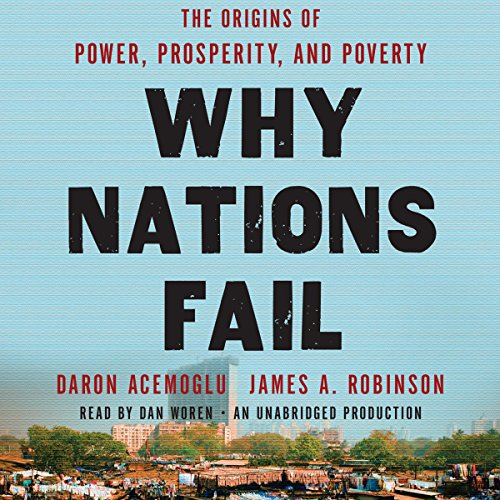
In Why Nations Fail (chapter 6, “The Virtues of Rome”), Acemoglu and Robinson describe resources flowing from the provinces into Rome: taxes, tribute, and supplies of grain and olive oil, including food distributed free to citizens in the capital.
The scale was substantial. Augustus records slightly more than 200,000 recipients of public grain in 2 BCE. Much later, the Historia Augusta credits Septimius Severus (r. 193–211 CE) with establishing a free daily allowance of oil for the Roman people. [1, 2]
Public largesse also included cash and entertainment. Augustus says that in 29 BCE he gave the Roman plebs 400 sesterces each from war booty. He also records eight gladiatorial shows involving approximately 10,000 fighters in total, and twenty-six animal hunts. [1]
Juvenal later mocked the Roman people’s diminished political ambitions with “bread and circuses”: a population that once bestowed political power now preoccupied with food and spectacles. [3]
In that dark world, some were getting their grain and oil for free (the former preceding the latter by centuries).
Extraction, always, contributes to stabilizing an empire… The distributed grain and oil shape social, economic, and political development, in the Empire’s center, and abroad. Extracting resources is frequently how empires survive (some would argue how grandeur survives).
Because it is Extraction, and “We are Great”.
Trajan’s Column offers a related image of empire’s legacy. Erected in AD 113, it celebrates Rome’s conquest of Dacia through an extraordinary spiral of carved scenes.
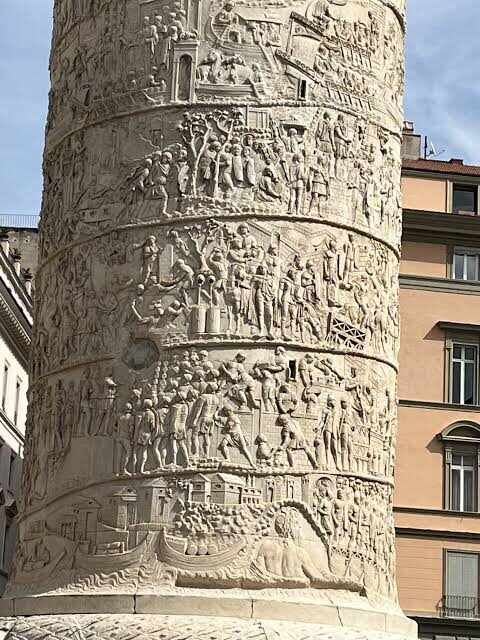
In For the Love of Europe, I explored how surplus and continuity allow cultural resources to accumulate, and I recalled how beautiful the column looked, and how unreasonable it was. Small advantages compound, and Diamond’s Guns, Germs, and Steel examines how advantages can reinforce themselves. With time, Cultural Resources become reservoirs of heritage and history, but one shouldn’t assume that they just innocently happen. Many have been shaped through centuries of suffering, dispossession, and extraction..
Related reflections from Why Nations Fail: innovation and creative destruction in Rome and printing, literacy, and progress in the Ottoman Empire.
References
- Augustus, Res Gestae, §§15 and 22–23.
- Historia Augusta, Life of Septimius Severus, 18.3, a later ancient account.
- Juvenal, Satire 10, lines 77–81.