Extreme Imagination and Creativity (as in Sci-Fi and Fantasy) can be practical. They are useful as inspiration, for education, and even as inputs into scientific and engineering processes.
Here are a few thoughts on that.
 Ahmad Hijazi : Website & Blog
Extreme Imagination and Creativity (as in Sci-Fi and Fantasy) can be practical. They are useful as inspiration, for education, and even as inputs into scientific and engineering processes.
Here are a few thoughts on that.

How much do your genetics and your (cultural/social) background control your destiny?
The answer is ‘A lot!’… but things aren’t hopeless..

How much can we ‘compress’ wisdom? Are there general lessons that we can infer from history? from the intersections between different thinkers from around the world? Is there such a thing as ‘the greatest ideas of all time?
This post compiles ideas from 4 key books to reflect on history, philosophy, Wisdom and the applicability to our work and every day life.
More often than not, evil is not one great shocking act. Mundane evil is the most prevalent form.. and what we come to see as great evil sometimes [usually in retrospect], starts with small tasks, and accumulates simple additions as it goes.
Ironically, I think this summarizes “Oppenheimer” – the events, and the 2023 film.

“The greatest evils in the world will not be carried out by men with guns, but by men in suits sitting behind desks.”
C.S. Lewis
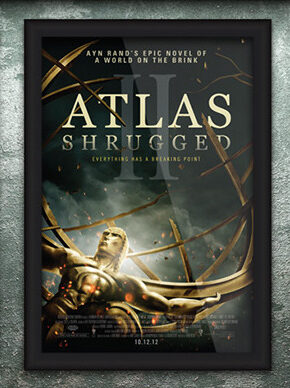
Ayn Rand and Approximate Thinking?
Many people complain about the simplistic (and sometimes infantile) nature of Ayn Rand’s “Atlas Shrugged”… Still, the book is only less successful (in terms of distribution) than the bible. What explains this? I argue that it is the conflation of identities and political ideologies with ideas and thought.
Ultimately, laziness and approximate thinking are what made John Galt great! This is really the secret behind Ayn Rand’s “Atlas Shrugged”.

Why is it that discussions on equal opportunities can easily get derailed into name-calling? What are the causes of success, and why are people so sensitive about them? Fuzzy thinking about work and politics, and an incomplete understanding can cause an unnecessary confusion.

This is a short review of the book “Philosophy of Technology” by V. Dusek and its main themes and ideas. I’ve selected some interesting ideas to talk about, and included some excerpts from the book in the end.

I came across this comic image a while back. It is about drawing an owl – a step-by-step guide.
I will include it here so that you can learn too :
Can you ‘hack’ knowledge and happiness ??
In a sense, it is OK to do dumb things… If you do them quickly enough.
Random Wise Influencer
Have you tried a ‘happiness’ burger before?
I recently saw a post (apparently was going viral) titled : “How to Hack Happiness”. A guide in the form of a thread of tweets offered the final solution to humanity’s quests over thousands of years.